


Basic identification of ε-Caprolactone 99% CAS 502-44-3
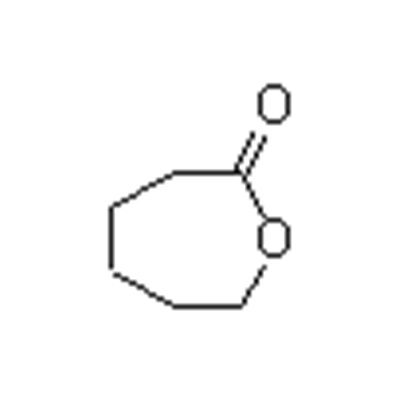
Product name: ε - Caprolactone, also known as 6-Caprolactone or 2-oxocycloheptanone
English name: ε - Caprolactone/6-Hexanolactone
CAS number: 502-44-3
EINECS:207-938-1
Molecular formula: C6H10O2
Molecular weight: 114.14Physical and chemical properties
Appearance and odor: Colorless transparent oily liquid with a light aromatic odor
Melting point: -1 ℃
Atmospheric boiling point: 225.4 ℃; 97 ℃/10 mmHg (vacuum boiling point)
Density: 1.03 g/mL (25 ℃)
Flash point: 109 ℃ (closed cup), flammable liquid, not highly flammable
Refractive index: 1.463
Solubility: Slightly soluble in water; Can be miscible with organic solvents such as alcohols, ethers, ketones, aromatics, etc
Chemical properties: cyclic lactone, highly prone to ring opening polymerization; Easy to hydrolyze/self polymerize when exposed to acid, alkali, water, and high temperature; Avoid contact with copper and zinc metals. Long term storage can lead to slow dimerization.
Core use (most mainstream industrial monomer)
Synthesis of polycaprolactone (PCL)
The most important use. Ring opening polymerization of ε - caprolactone yields PCL (polycaprolactone), a biodegradable polymer; Widely used in medical absorbable sutures, orthopedic implant consumables, 3D printing consumables, biodegradable plastics, and drug sustained-release carriers.
Polyurethane raw material (caprolactone polyol)
Preparation of polycaprolactone polyols for high-performance PU resins, water-based PU dispersions, elastomers, adhesives, and UV coatings; Advantages: excellent hydrolysis resistance, low-temperature flexibility, and weather resistance.
Coating, ink, resin modification
Synthesize acrylic acid caprolactone oligomers and epoxy modification agents to enhance the flexibility and adhesion of the paint film; Used as an active diluent for epoxy resin.
Fine chemical intermediates: synthesis of adipic acid and caprolactam; A small amount is used as a spice intermediate.
Safety information
GHS Warning Label: Warning
H315: Causes skin irritationH319: Causes severe eye irritation
Low toxicity; Rat oral LD ₅₀ ≈ 4290 mg/kg
Notes:
Avoid long-term skin contact, wear goggles and solvent resistant gloves during operation;
Stay away from strong acids, strong bases, and moisture to prevent polymerization heat release;
Do not come into long-term contact with copper or zinc containers.
Packing
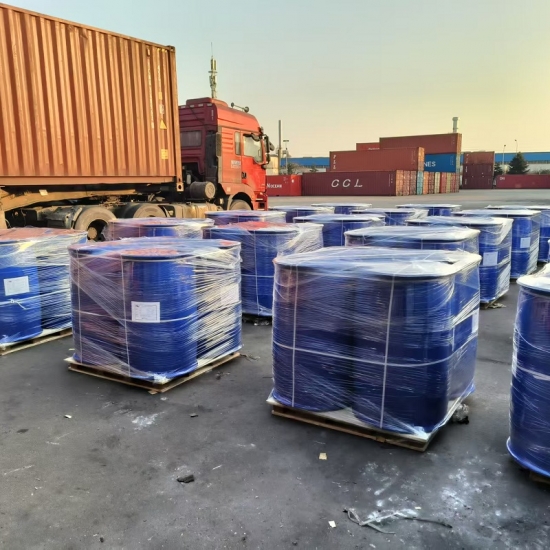
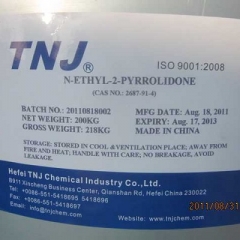
200kg/plastic drum or as per request, 16000kg/20"FCL.
Storage requirements: sealed, cool, dry and ventilated warehouse; Suggest storing under nitrogen protection and avoiding light; Do not mix acids, bases, or oxidants.

 chemical.tnj
 +8618949823763
 tnjchem
 2881500864