


Product name: 2‑Butyne‑1,4‑diol (1,4‑Butynediol, BYD)
CAS‑No: 110‑65‑6
EC‑No (EINECS): 203‑788‑6Molecular Formula: C4H6O2
Molecular Weight: 86.09 g/mol
Synonyms: 1,4‑Dihydroxy‑2‑butyne, Bis(hydroxymethyl)acetylene
1. Physical‑Chemical Properties
Boiling point: 238 ℃ (760 mmHg)
Flash point: 152 ℃ (closed cup)
Auto‑ignition temperature: 410 ℃
Density (solid,20℃): ~1.17 g/cm³
Vapour pressure (20℃): <1 Pa
Solubility: in water Fully miscible (3740 g/L @20℃)
Solubility: Soluble in methanol, ethanol, acetone; slightly soluble in benzene, ether
Octanol‑water partition coefficient logKow: ‑0.7 (estimated)
2. Typical Specification (Industrial Grade ≥98.5% GC, export standard)
| Item | Specification | Test Method |
|---|---|---|
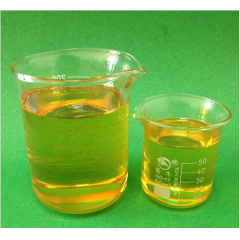
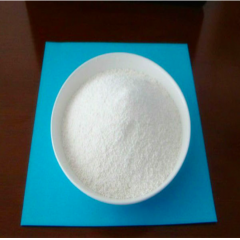
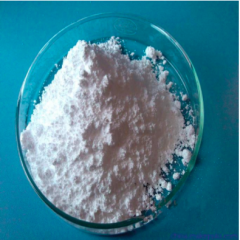
| Appearance | White to slight‑yellow crystalline solid, no visible impurity | Visual inspection |
| Purity (GC, area %) | ≥98.5 % min | Gas Chromatography (GC) |
| Melting range | 52‑58 ℃ | Capillary melting‑point apparatusSigma-Aldr... |
| Moisture (Karl‑Fischer) | ≤0.30 % max | Karl‑Fischer Titration |
| pH (100 g/L aqueous solution,23℃) | 4.0‑7.0 | pH‑Meter |
| Ash content | ≤0.05 % max | Gravimetric method |
| Propargyl alcohol (impurity) | ≤0.8 % max | GC |
3. Main Applications
Nickel electroplating brightener (primary brightener for Watts nickel bath)
Key intermediate for hydrogenation: produce 1,4‑butenediol, 1,4‑butanediol (BDO), THF, NMP
Oil‑gas corrosion inhibitor, pesticide & pharmaceutical intermediate, resin modifier, stabilizer for chlorinated hydrocarbons
4. Handling, Storage & Transportation
Storage: Keep sealed, cool & dry, storage temperature below 30 ℃; avoid moisture absorption; separate from strong oxidants, strong acids and strong bases.
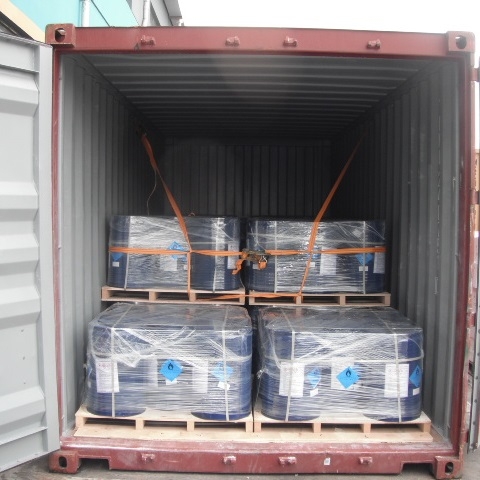
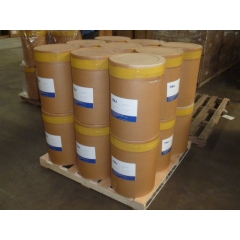
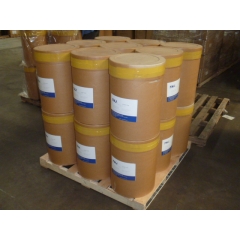
Packing: 25 kg net fiber drum with inner PE bag; 50 kg galvanized steel drum
UN‑Number: UN 2811, Hazard Class: 6.1 Toxic substance, Packing Group III
GHS Hazard Statements:
H301 Toxic if swallowed; H311 Toxic in contact with skin; H331 Toxic if inhaled;H314 Causes severe skin burns and eye damage; H317 May cause an allergic skin reaction;
H372 Causes damage to organs through prolonged or repeated exposure;
H412 Harmful to aquatic life with long‑lasting effects.
 chemical.tnj
 +8618949823763
 tnjchem
 2881500864