

Important distinction reminder
CAS 1318-02-1=4A zeolite (sodium aluminosilicate, detergent grade)
CAS 1327-44-2=Natural/synthetic potassium silicoaluminate zeolite (common zeolite precursor, often used as 3A molecular sieve raw material), the two have different cation types, so do not mix them up when placing an order.
Basic product information
Product name: Zeolite; Potassium silicoaluminate
English name: Zeolite; Potassium Aluminosilicate
CAS No.:1327-44-2
EINECS:215-479-3
Molecular formula: AlKO6Si2
Molecular weight: 218.25
HS code reference: 2842909000 (composite silicate/aluminosilicate)
Physical and chemical characteristics
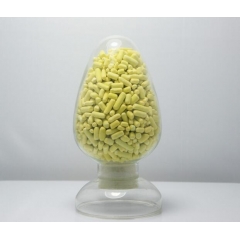
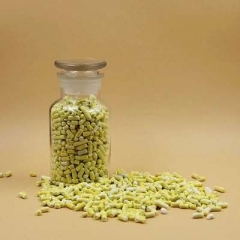
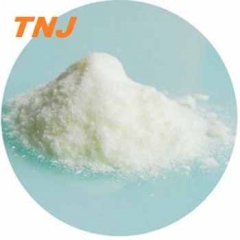
Appearance: White or off white crystalline powder/granules, odorless and tasteless
Solubility: Almost insoluble in water, alcohols, and various organic solvents; Slow decomposition of crystals in the presence of strong acids or bases
Pore characteristics: possessing a regular three-dimensional cage like microporous structure, with ion exchange and selective adsorption capabilities
Suspension pH: 10% water Suspension pH=9.5~11.2 (weakly alkaline)
Bulk density: 320~460 g/L
Thermal stability: Normal stability; Crystal skeleton collapses and loses adsorption performance above 750 ℃
Adsorption characteristics: preferential adsorption of water and polar small molecules; Can be regenerated through high-temperature baking
Main uses
Desiccant and adsorbentDeep dehydration of industrial gases and organic solvents; Air separation, natural gas drying; Dehydration of refrigerant.
Ion exchange, water treatment
Remove calcium, magnesium, and heavy metal ions from water bodies; Adsorption of ammonia nitrogen in wastewater and softening of hard water.
Catalytic industry
Selective catalyst support for petroleum cracking, aromatic hydrocarbon isomerization, and organic synthesis.
Environmental Protection and Agriculture
Soil amendments, slow-release carriers for fertilizers; Odor and volatile organic waste gas adsorption purification.Others
Plastic and rubber functional fillers; Feed additive carrier; Toothpaste friction agent; Building material additives.
Quality Specification
| Test Item | Specification |
|---|---|
| Appearance | White or off-white powder / granules |
| Calcium Exchange Capacity | ≥295 mg CaCO₃/g |
| Loss on Ignition (800℃,1h) | 17.0 ~ 21.5 % |
| Whiteness | ≥88 % |
| pH (10% aqueous suspension) | 9.5 ~ 11.2 |
| Water Insoluble Matter | ≤0.6 % |
| Heavy Metal (Pb) | ≤10 ppm |
| Iron Content (Fe) | ≤250 ppm |
Packaging
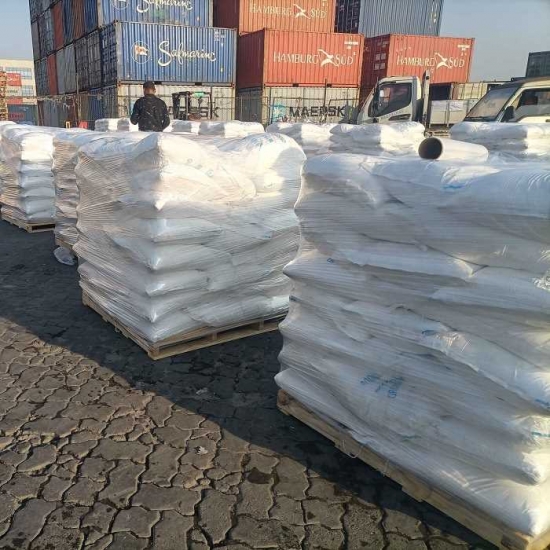
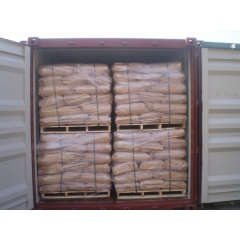
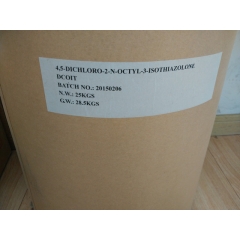
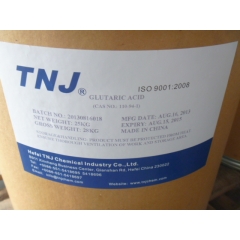
Standard packaging: 25kg multi-layer kraft paper bag lined with PE inner film bag
Bulk: 500kg/1000kg ton bagsSample: 1kg, 5kg sealed PE bags
Storage and transportation
Storage conditions
Store in a cool, dry, and ventilated warehouse with sealed packaging to prevent moisture absorption; Water absorption will reduce adsorption and exchange capacity.Keep away from strong acids and corrosive chemicals, and store in separate areas.
Avoid long-term outdoor storage and exposure to sunlight.
Transportation requirements
Ordinary general cargo, not classified as hazardous chemicals;
Rainproof and moisture-proof measures are taken during transportation to prevent damage to packaging bags;
It is prohibited to mix with concentrated acid and oxidants for transportation.
Key Tips for Foreign Trade Procurement
The market easily confuses two zeolite CAS:
1318-02-1 (4A zeolite, sodium type, mainstream laundry detergent aid)1327-44-2 (Potassium type zeolite, commonly used for desiccants and catalysis)
The CAS distinction must be clearly stated in the contract and customs declaration to avoid incorrect versions of the goods.
Confirm the form before procurement: powder/strip-shaped particles; Different purposes correspond to different processing specifications.


 chemical.tnj
 +8618949823763
 tnjchem
 2881500864