

Basic Information of Phytic acid 50% CAS 83-86-3
English Name: Phytic Acid
Alternative names: myo-Inositol Hexakisphosphate, inositol hexaphosphate, cyclohexahexol hexaphosphate, abbreviated as IP6
CAS No.:83-86-3
EINECS:201-506-6
Molecular formula: C6H18O24P6
Molecular weight: 660.04
Mainstream product forms: 50% aqueous solution (industrial grade / food grade, most commonly used); pure product appears as a viscous paste at room temperature with physicochemical properties
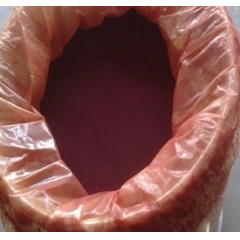
Appearance: Colorless to light yellow viscous liquid, almost odorless;
Solubility: Soluble in water, ethanol, and acetone; insoluble in ether, benzene, and chloroform;
Core features: The molecule carries six phosphate groups, exhibiting strong metal chelation capability to bind multivalent metal ions such as Fe³⁺, Cu²⁺, Zn²⁺, Ca²⁺, and Mg²⁺; it also possesses excellent antioxidant properties;
Acidic organic substances, being corrosive, are eroding to metals.
Preparation Source: Widely available in nature, found in rice bran, wheat bran, grains, legumes, and nut seeds.
Industrial Mainstream Process: Rice bran extraction and purification, classified as natural plant-derived organic acids.
Food grade COA of Phytic acid 50%
| Items | Specification | Typical Result |
|---|---|---|
| Appearance | Colorless to pale yellow viscous liquid | Colorless viscous liquid |
| Phytic Acid Content (w/w) | ≥50.0% | 50.3~51.0% |
| Inorganic Phosphorus (as P) | ≤0.02% | <0.02% |
| Chloride (Cl⁻) | ≤0.02% | <0.015% |
| Sulfate (SO₄²⁻) | ≤0.02% | <0.015% |
| Calcium (Ca) | ≤0.02% | <0.01% |
| Arsenic (As) | ≤3 ppm (0.0003%) | <1 ppm |
| Heavy Metals (as Pb) | ≤30 ppm (0.003%) | <10 ppm |
| Density (25℃) | 1.36~1.42 g/ml | 1.39 g/ml |
| pH (10% aqueous solution) | <2.0 | 1.4~1.8 |
| Water Insoluble Matter | ≤0.01% | Pass |
Industrial Grade (Metal Rust Prevention, Electroplating, Water Treatment)
| Items | Specification |
|---|---|
| Appearance | Pale yellow viscous liquid |
| Phytic Acid Content | ≥50.0% |
| Inorganic Phosphorus (P) | ≤0.05% |
| Chloride (Cl⁻) | ≤0.05% |
| Sulfate (SO₄²⁻) | ≤0.05% |
| Heavy Metals (Pb) | ≤50 ppm |
| Density (25℃) | 1.36~1.43 g/mL |
Primary Uses (Commonly Used in Foreign Trade Classification)
1) Food Industry (Food Grade) GB2760 Permitted Food Additive
Antioxidants, metal ion chelators; prevent oil oxidation and rancidity;Color preservation and browning inhibition for fruits and vegetables, fresh-cut fruits; prevention of black spots in aquatic products (shrimp and crab);
Stabilizer for beverages, canned foods, and meat products, serving as a substitute for some synthetic chelating agents (EDTA), with a focus on natural ingredients for clean labeling.
2) Daily Chemical / Cosmetic Raw Materials: Skincare, Cleansing, and Care Formulations - Chelating Agents; Stabilization Systems; Inhibition of Metal Ion-Induced Color Changes and Spoilage; Gentle, Suitable for Skin Care Formulations.
3) Metal Surface Treatment (Maximum Industrial Application)
Steel and non-ferrous metal rust inhibitors; phytic acid forms a dense passivation film on metal surfaces;Electroplating pretreatment, metal cleaning agents, aluminum/copper corrosion prevention;
Water-based paint, rust-proof water, and rust removal additives.
4) Ingredients for pharmaceuticals, nutraceuticals, and dietary supplements; research related to antioxidants and heavy metal chelation detoxification; used in stabilization systems for certain active pharmaceutical ingredients.
5) Other industries
Water treatment: Scale inhibitor for circulating water, water softener;Fermentation Industry: Stabilizers;
Feed, fine chemical chelating additives.
Packing and Storage
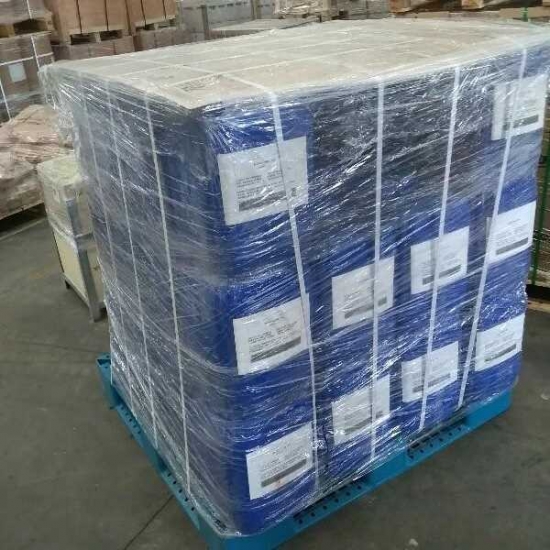
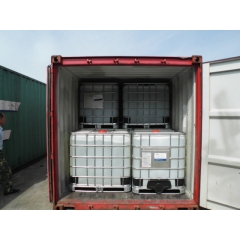
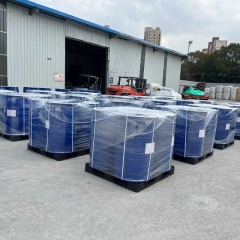
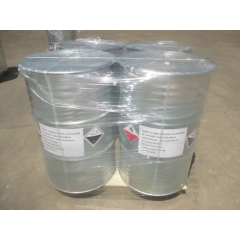
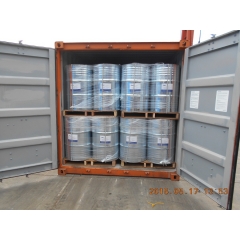
Packing: 25kg plastic drum; 1000kg IBC tank.
Storage: Sealed, cool and dry place. Keep away from strong alkali, oxidants and heavy metals. Avoid high temperature and sunlight.
Validity period: 12 months.
 chemical.tnj
 +8618949823763
 tnjchem
 2881500864