


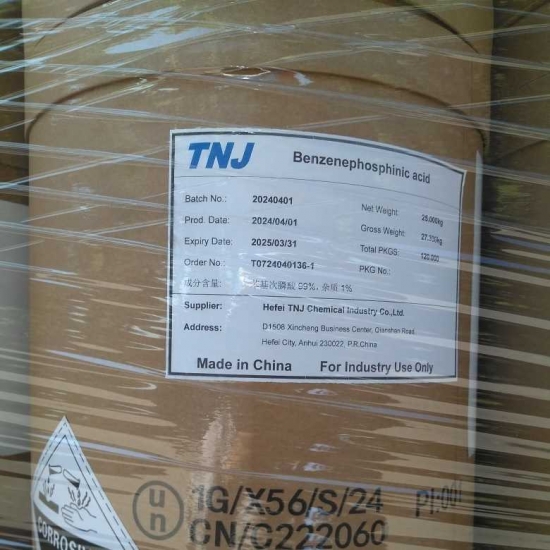
Product Brief of Benzenephosphinic acid BPA
Product name: Phenylphosphinic Acid
CAS No: 1779‑48‑2
EINECS: 217‑217‑3
Synonyms: Benzene phosphinic acid, BPA
Molecular Formula: C₆H₇O₂P
Molecular Weight: 142.09
Basic Information
Phenylphosphinic acid is an organophosphorus crystalline acid compound. It possesses phosphinic‑acid reactive group, showing weak acidity. It is a key fine‑chemical intermediate widely used for polymer modification, flame‑retardant raw material, catalyst promoter and organic synthesis building‑block.
Physico‑Chemical Properties
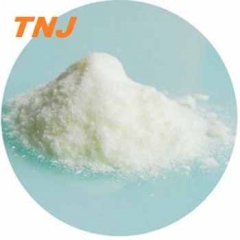
Appearance: White crystalline powder / crystal
Melting point: 82‑87 ℃
Boiling point: 180 ℃
Decomposition temperature: ca.200 ℃
Density (25 ℃): 1.37‑1.42 g/cm³
Flash point: 204 ℃
Solubility: Soluble in water, ethanol, acetone; slightly soluble in ether; insoluble in benzene, hexane, carbon tetrachloride
Water solubility: 7.7 g/100 mL (25 ℃)
Stability: Stable under normal ambient conditions; reacts with strong oxidants and strong bases
Quality Specification (Industrial Grade)
| Test Items | Specification |
|---|---|
| Appearance | White crystalline powder |
| Phenylphosphinic acid (HPLC) | ≥99.0 % |
| Moisture | ≤0.50 % |
| Chloride (Cl⁻) | ≤200 ppm |
| Melting range | 82‑87 ℃ |
| Residue on ignition | ≤0.20 % |
Note: Higher‑purity grade available upon customer request.
Application & Uses
Polymer additive: Light‑stabilizer, antioxidant, color modifier for polyamide / nylon materials; improve thermal stability and anti‑yellowing performance of polyamide products.
Flame‑retardant intermediate: Raw material for synthesizing phosphinate‑based flame retardants for PLA, PA and other engineering plastics.
Catalyst & accelerator: Accelerator for organic peroxide catalyst; initiator auxiliary for emulsion polymerization; curing promoter for silicone resin.
Organic synthesis intermediate: Building block for pharmaceuticals, pesticides, dye intermediates; coordination ligand in coordination chemistry research.
Can be further converted into corresponding metal phosphinic‑acid salts for polymer stabilizer usage.
Packaging
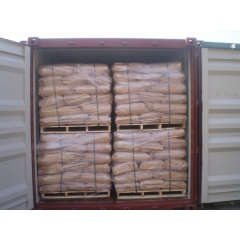
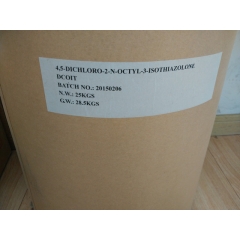
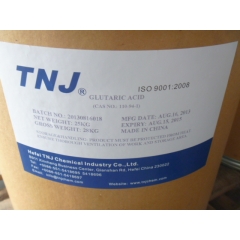
‑ Standard export package: 25 kg net, inner vacuum PE liner bag + outer fibre drum / woven plastic bag.
‑ Small‑size packing: 1 kg / 5 kg PE‑plastic bottle for lab samples.
‑ Marking: Product name, CAS No., batch number, production date, gross / net weight on package surface.
Storage & Transportation
‑ Hazard classification: Corrosive substance, causes severe skin burns and serious eye damage (H314).
‑ Transport: Keep package intact, avoid moisture and rain. Do not transport together with strong oxidants, strong alkali materials. Protect against mechanical damage to prevent dust leakage.
‑ Storage: Store in cool, dry, well‑ventilated warehouse. Keep containers tightly sealed. Avoid high temperature and humid environment. Separated storage from oxidizing agents and bases. Recommended storage temperature: below 25 ℃.
‑ Shelf‑life: 12 months under original sealed packaging.
‑ Handling reminder: Avoid dust inhalation; wear chemical‑resistant gloves, goggles and dust‑proof mask during operation.
Disclaimer: All data above represent typical values only, not product warranty. End‑users shall verify suitability for their own process.


 chemical.tnj
 +8618949823763
 tnjchem
 2881500864