

Basic identification of CAS 109-63-7|Boron Trifluoride Ether Complex (Boron Trifluoride Ether)
Product Name: Boron Trifluoride Ether; Boron trifluoride diethyl ether complex
English name: Boron trifluoride diethyl etherate
Abbreviation: BF₃· Et₂O
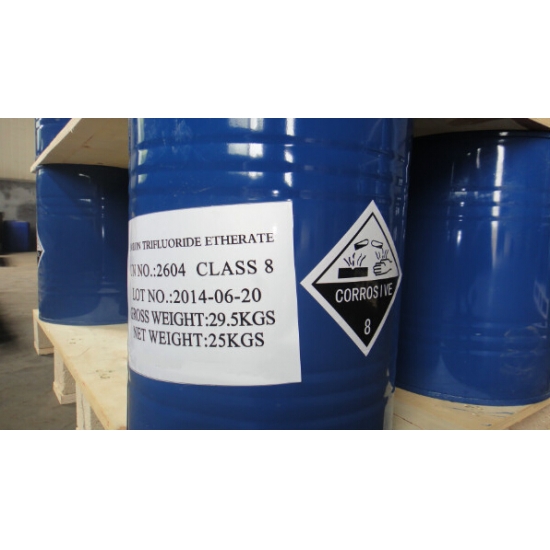
CAS number: 109-63-7
EINECS:203-689-8
Molecular formula: C4H10BF3O
Molecular weight: 141.93UN Number: 2604 (Hazardous Chemicals)
Physical and chemical properties
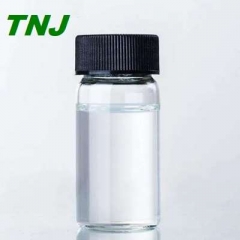
Appearance and odor: colorless to pale yellow smoking liquid with a strong, pungent sour smell
Melting point: −58 °C
Boiling point: 126~129 °C (easily dissociates and releases BF₃ when heated)
Density: 1.13~1.15 g/mL (20°C)
Closed cup flash point: 48 °C, flammable liquid
Refractive index: (n_D^{20}=1.344)
Key features:
- It hydrolyzes easily, reacts violently with water, producing hydrogen fluoride and boric acid, releasing a large amount of heat; Strictly prohibited from contact with water!
- Lewis acid, which is strongly acidic; Reacts violently with alcohols, amines, and strong alkalis
- Soluble in ether, aromatics, and halogenated hydrocarbons; Do not dilute with water systems
- Industrial commodities typically contain 46%~48% BF₃
Core Applications (One of the most important Lewis acid catalysts in organic synthesis)
Organic synthesis catalyst
Alkylation, acylation, esterification, polymerization, ring opening, condensation, and rearrangement reactions of epoxides; Mainstream catalyst for pharmaceutical and fine chemical intermediate synthesis.
Resin industry
Epoxy resin cation curing agent, polyether, and organosilicon synthesis catalyst.
Chemical raw materials
Preparation of borane derivatives and high-purity boron trifluoride gas sources; Rubber synthetic additives.
Analytical chemical reagents, electroplating aids.
Specification
Appearance Colorless or yellowish transparent liquid
Assay 46.8-47.8%
Water ≤0.5%
Specific gravity 1.120 ~ 1.140g/m l
Safety Information
[Extremely High Risk, Danger] Main hazards of GHS:
H226: Combustible liquids and vaporsH314: Causes severe skin burns and eye damage
H332: Harmful by inhalation; The vapor strongly stimulates the respiratory tract
It reacts violently with water, producing corrosive HF acid mist
Key Risks of Operation:
Highly corrosive, causing severe chemical burns upon contact with skin; HF penetrates and erodes bone;
Vapor is toxic; for sealed operation, fume hoods must be used, and gloves resistant to hydrogen fluoride, face screens, and gas masks should be worn;
Contraindications: water, alcohol, alkalis, metals, oxidizers; It is strictly forbidden to use water to extinguish fires;
For firefighting, dry powder and carbon dioxide are recommended; direct water flow is prohibited.
Storage and transportation requirements
Sealed, dry, cool, and ventilated warehouses; Moisture-proof and waterproof, isolating moisture;
Nitrogen protection storage is recommended; Stay away from heat sources and open flames;
Store separately from alkalis, aqueous materials, and oxidizers;It is a corrosive and flammable hazardous chemical, transported according to UN2604 standards.
Packaging
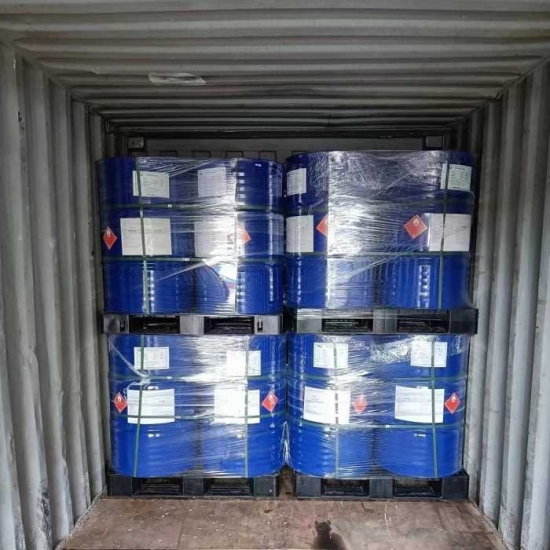
200kg per steel drum;
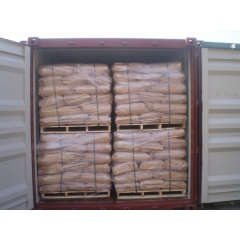
Total 16MT per 20ft container with pallets (without pallets)


 chemical.tnj
 +8618949823763
 tnjchem
 2881500864