


EINECS:203‑471‑2;
Molecular formula: C3H4O; Molecular weight: 56.06.
Physical and chemical properties
Appearance: Colorless, volatile, transparent liquid with a pungent odor; Long term exposure to light may cause slight yellowing
Melting point: -53 ℃;
Boiling point: 114-115 ℃
Density: 0.963 g/mL (20 ℃);
Refractive index n ₂₀/D: 1.432
Closed cup flash point: 29 ℃; Explosion limit 1.9-86.2 vol%, extremely wide explosion range, high-riskCompletely miscible with water, alcohol, ether, and ketone; Insoluble in fatty hydrocarbons; Acetyl groups have high chemical activity and can undergo addition and coupling reactions
Specification
| Test Item | Specification |
|---|---|
| Appearance | Colorless transparent liquid |
| Purity (GC), % | ≥99.0 |
| Color (APHA Hazen) | ≤20 |
| Water Content, % | ≤0.20 |
| Acidity (as Acetic Acid), % | ≤0.05 |
Main use
Electroplating industry: Core intermediates for nickel electroplating brighteners, raw materials for electroplating additives.
Oil and gas extraction: Acidizing corrosion inhibitors to inhibit hydrogen embrittlement corrosion of steel.
Organic synthesis intermediates: raw materials for pharmaceuticals, pesticides, fungicides, and vitamin synthesis.
Chlorinated solvent stabilizer, cellulose acetate solvent..
Danger & Foreign Trade Storage and Transportation
High risk hazardous chemicals
GHS: H226 flammable liquid; H301/H311/H331 Toxic by mouth, skin, or inhalation; H314 Severe skin corrosion and eye damage; H373 Long term exposure can damage organs
UN number: UN2920; Hazard category: 8 (3) Corrosive+Flammable, PG II
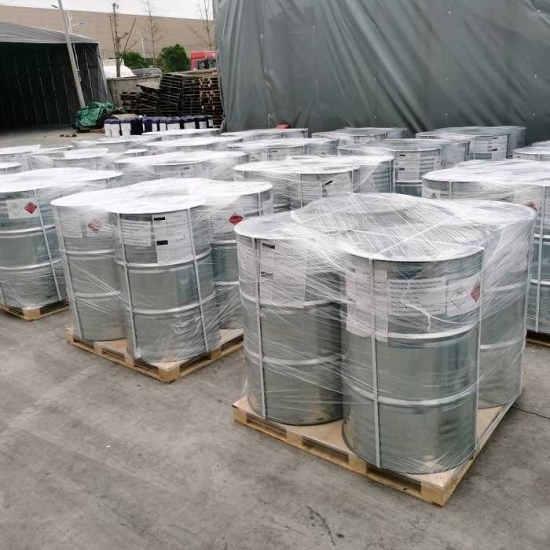
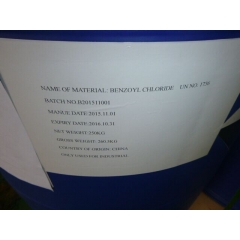
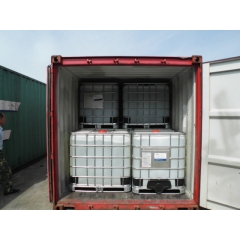
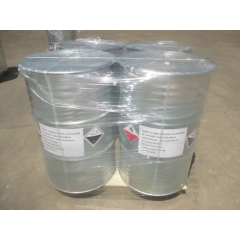
Packaging: 200kg steel drum; Nitrogen protection storage; Avoid light and cool, keep away from heat sources, oxidants, and strong alkalis; Do not come into contact with open flames.
HS code: 29052900
 chemical.tnj
 +8618949823763
 tnjchem
 2881500864