

Product name: Acrylonitrile
CAS: 107-13-1
Synonyms: Vinyl cyanide, 2-propenenitrile; Commercial products typically contain stabilizers (methyl ether of hydroquinone)
Molecular formula: C3H3N
Molecular weight: 53.06;
EINECS: 203-466-5
Physical and chemical properties
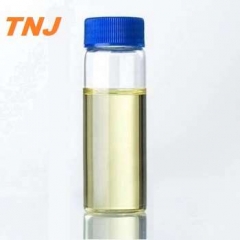
Appearance: Colorless, transparent, volatile liquid with a pungent bitter almond odor
Melting point: -83.5 °C;
Boiling point: 77.3 °C
Density: 0.806 g/mL (20°C);
Flash point: -5°C (closed cup)
Solubility in water: 7.45 g/100 mL; miscible with most organic solvents
Flammability range: 2.8–28 vol%; vapor is heavier than air and prone to accumulate in low-lying areas; may undergo violent self-polymerization upon heating or exposure to acids and alkalis; releases toxic hydrogen cyanide gas when exposed to strong acids
Specification
Appearance
Colorless transparent liquid
Color (APHA)
≤5
Acrylonitrile, wt%
≥99.50
Water content, wt%
0.20‑0.45
Acidity (as Acetic Acid), mg/kg
≤20
Total Aldehydes (as Acetaldehyde), mg/kg
≤30
Acetone, mg/kg
≤80
Acrolein, mg/kg
≤10
Acetonitrile, mg/kg
≤150
Propionitrile, mg/kg
≤100
Methacrylonitrile, mg/kg
≤300
Oxazole, mg/kg
≤200
Iron (Fe), mg/kg
≤0.1
Copper (Cu), mg/kg
≤0.1
pH (5% aqueous solution)
6.0‑8.0
Titration value, mL
≤2.0
Boiling range @101.33kPa, ℃
74.5‑79.0
Inhibitor (MEHQ), mg/kg
35‑45
Primary Use (Bulk Chemical Monomers)
ABS, SAN resin monomers (home appliance casings, automotive parts)
The core raw material of acrylic fiber (polyacrylonitrile fiber)
Nitrile rubber NBR, adiponitrile (nylon intermediate)
Dyes, pharmaceutical intermediates, and organic synthesis
Hazard (High-risk Chemical UN1093)
- Highly flammable; extremely toxic when inhaled, ingested, or absorbed through the skin, releasing cyanide ions in the body, with acute poisoning effects similar to cyanide poisoning; IARC Group 2B (possibly carcinogenic to humans)- Irritates the eyes, respiratory tract, and skin, may cause sensitization; combustion produces toxic smoke containing cyanides and nitrogen oxides
- Highly toxic to aquatic organisms; direct discharge into the environment is strictly prohibited
Key Points in Storage, Transportation & Foreign Trade
Category: Class 3 Flammable Liquids, Toxic Secondary Hazard; UN1093; Must be stabilized with polymerization inhibitors, stored in a cool, dark, and well-ventilated area, away from heat sources and oxidizers
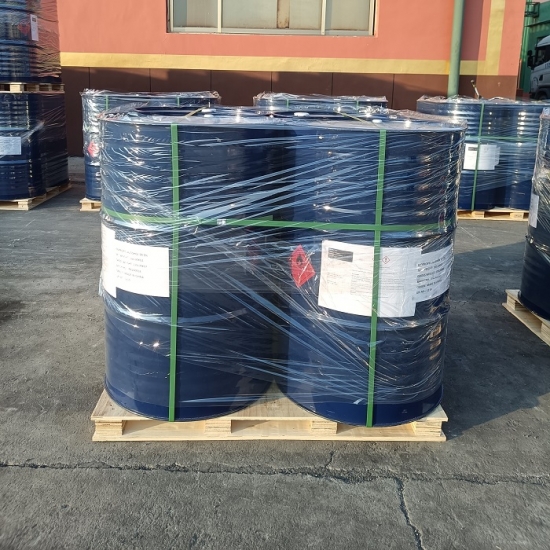
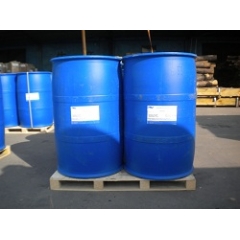
The export falls under the regulation of hazardous chemicals, requiring an SDS and a hazardous packaging certificate. Bulk shipping is prohibited for ordinary containers; IBC/steel drum packaging is required.

 chemical.tnj
 +8618949823763
 tnjchem
 2881500864