


 TDS Sodium Butyrate TNJ.pdf
1. Product Overview
Sodium Butyrate (CAS:156-54-7) is the sodium salt of butyric acid. We provide two types:
- Uncoated Sodium Butyrate Powder (pure raw powder)
- Coated / Encapsulated Sodium Butyrate (fat-protected granular form)
Butyrate is the preferred energy substrate for intestinal epithelial cells. Both products are widely used as feed additives to improve animal gut health, lower diarrhea incidence and optimize growth performance for livestock, poultry and aquatic animals.
2. Basic Chemical Information
Active Ingredient: Sodium Butyrate
CAS No.: 156-54-7
Molecular Formula: C4H7NaO2
Molecular Weight: 110.09
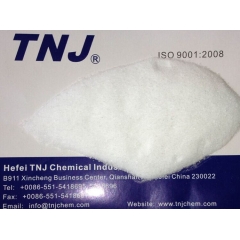
Sodium Butyrate Powder (Uncoated)Appearance: White / off-white hygroscopic fine powder
Odor: Strong characteristic butyric rancid odor
Characteristic: No protective coating; dissolves rapidly in water and gastric fluid; releases butyrate starting from stomach.
Coated Sodium Butyrate (Encapsulated Granule)
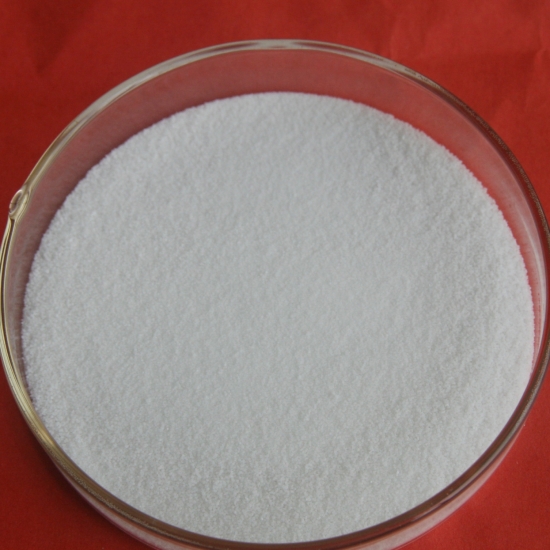
Appearance: White to off-white free-flowing cylindrical pellets
Odor: Mild fat smell; effectively masks the pungent butyrate odor
Coating material: Food-grade vegetable fat
Characteristic: Acid-resistant coating; passes through stomach, targeted sustained release in small intestine and colon.
Available grades: 90% coated & 98% coated specifications
3. Core Features Comparison
Sodium Butyrate Powder
Advantages
- Low unit cost- Fast dissolution speed
Disadvantages
- Strong unpleasant odor
- Absorbed partially in stomach, low intestinal delivery efficiency
- Easy to absorb moisture and agglomerateCoated Sodium Butyrate
Advantages
- Odor greatly reduced, better production operation environment
- Resists gastric acid, maximum active substance reaches the intestine
- Good fluidity, anti-caking, easy mixing with feed premix
- Targeted intestinal action, higher bioavailability
Disadvantages
- Higher price than uncoated powder
4. Main Applications
Animal Feed Industry (Main Market)Additive for piglets, broilers, laying hens, ruminants, fish and shrimp:
- Nourish intestinal villi, repair intestinal barrier
- Reduce weaning stress diarrhea
- Inhibit harmful bacteria, promote beneficial flora reproduction
- Improve feed conversion ratio, boost weight gain
- Reduce antibiotic application in breeding
Other Applications
- Raw material for gut-health nutritional supplements, biochemical research reagents.
5. Typical Specifications
Sodium Butyrate Powder
Assay: ≥98.0%
Moisture: ≤1.0%
Heavy Metal (Pb): ≤10 ppm
Arsenic (As): ≤1 ppm
Coated Sodium Butyrate Two standard grades:
98% Coated Sodium Butyrate
Active sodium butyrate ≥98.0%
90% Coated Sodium ButyrateActive sodium butyrate ≥90.0%
Moisture: ≤1.0%
Heavy Metal (Pb): ≤10 ppm
Arsenic (As): ≤1 ppm
6. Packing & Storage
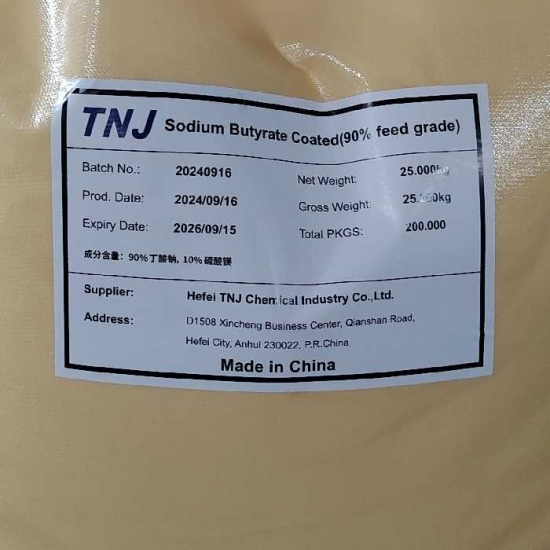
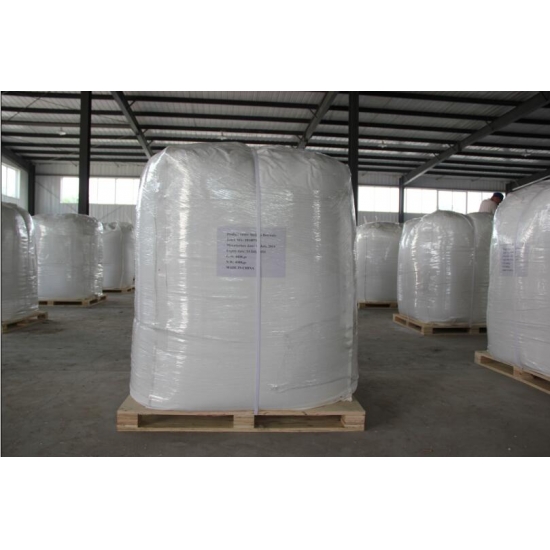
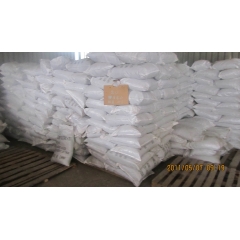
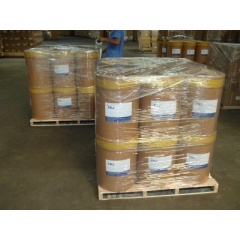
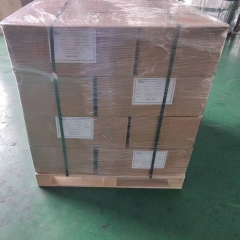
Packing: 25kg composite paper bag with PE inner liner; sample packaging available.
Storage: Store in cool, dry, ventilated warehouse. Keep hermetically sealed to avoid moisture absorption. Separate from acidic materials.Shelf Life: 12 months under proper sealed storage.
7. Safety & Transportation
Avoid dust inhalation, prevent direct skin & eye contact.
Non-dangerous goods, acceptable for sea and land regular transportation.
 chemical.tnj
 +8618949823763
 tnjchem
 2881500864