


Product: Glycol Salicylate
CAS‑No.: 87‑28‑5
EC/EINECS‑No.: 201‑737‑2
INCI Name: GLYCOL SALICYLATE
1. Product Information
- Chemical Name: 2‑Hydroxyethyl salicylate / 2‑hydroxy‑benzoic acid‑2‑hydroxyethyl ester
- Synonyms: Ethylene glycol monosalicylate, Spirosal, Menthoneurin
- Molecular Formula: C9H10O4
- Molecular Weight: 182.17 g/mol
- Description: Salicylic acid mono‑ester with ethylene glycol. Synthetic salicylate derivative; cosmetic skin‑soothing, keratolytic active; also used in topical pharmaceutical preparations. Susceptible to hydrolysis under high‑pH / high‑temperature conditions, releasing salicylic acid and ethylene glycol.2. Chemical‑Physical Properties
Appearance @25 °C Colourless to pale‑yellow oily liquid / low‑melting solid (mp≈25 °C)
Odour Faint characteristic aromatic odour
Melting point 25 °C
Boiling point 166 °C @13 mmHgDensity (25 °C) 1.244 g/mL
Refractive index n₂₀/D 1.548
Flash point (closed‑cup) 110 °C
Solubility Slightly soluble in water (~13.1 g/L); miscible with ethanol, oils & most organic solvents
pH (13.1 g/L aqueous,20 °C) ~4.0
Stability Light‑sensitive; avoid strong alkaline & high‑temperature; ester bond hydrolyses in aqueous alkaline environment
3. Quality Specification (Cosmetic / Pharma‑Grade Typical)
| Test Item | Specification |
|---|---|
| Appearance @25 °C | Clear liquid / low‑melt solid, free of insoluble particles |
| Colour (Pt‑Co / APHA) | ≤ 50 |
| Purity (GC / HPLC) | ≥ 98.5 % |
| Free salicylic acid | ≤ 1.0 % |
| Water content (KF) | ≤ 0.3 % |
| Di‑ethylene glycol impurity | ≤ 0.1 % |
| Acid value | ≤ 3.0 mg KOH/g |
4. Application & Use
Cosmetics & personal‑care
Skin‑soothing agent, keratolytic exfoliant, skin‑conditioning agent. Used in serums, toners, after‑sun care, body‑care formulations. Typical use level: 0.5‑2 % for cosmetic finished products.
Topical pharmaceutical raw material
Analgesic‑anti‑irritant active for external liniment, cream, gel; for relief of muscle & joint discomfort (trans‑dermal salicylate prodrug).
Formulation tips
- Avoid long‑term exposure to pH>7 aqueous systems to minimise hydrolysis.- Add anti‑oxidant (tocopherol / BHT) and use light‑proof packaging to improve shelf‑life.
5. Packing
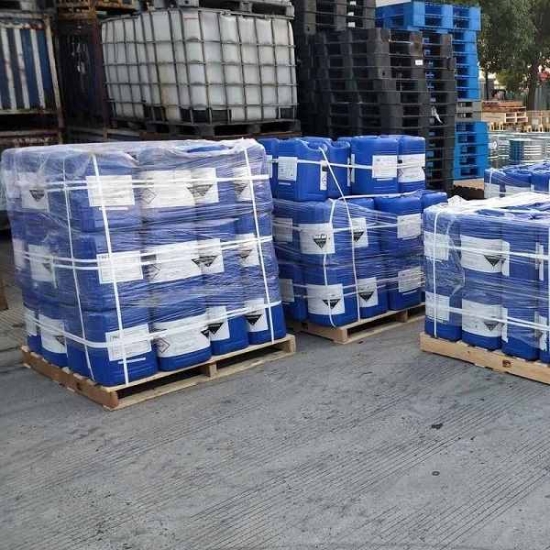
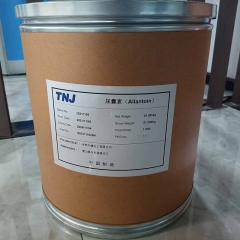
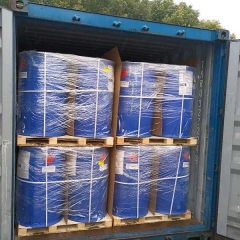
- Standard: 25 kg net HDPE drum / amber glass drum (light‑resistant)
- Small‑size packing: 1 kg, 5 kg available upon request.6. Transportation and Storage
Transportation
- Not classified as dangerous goods.- Protect containers from sunlight, heat and mechanical damage. Prevent leakage. Keep separate from strong bases, strong oxidants.
Storage
- Store in cool, dry, well‑ventilated warehouse; storage temperature below 30 °C.- Keep containers tightly closed, protect from light (amber packaging recommended).
- Avoid long‑term storage at high temperature.
- Shelf‑life: 24 months under original sealed proper storage.
- Once opened, seal tightly and use promptly.
Disclaimer: This TDS provides typical reference data only. It shall not replace official SDS and batch‑wise COA.
 chemical.tnj
 +8618949823763
 tnjchem
 2881500864