

 TNJ TDS of Glycolic acid 79-14-1.pdf
Basic identification of Glycolic acid (Hydroxyacetic acid) CAS 79-14-1
Chinese name: Glycolic acid, also known as hydroxyacetic acid, glycolic acid, alpha hydroxyacetic acid
English name: Glycolic acid, 2-Hydroxyacetic acid
CAS number: 79-14-1
EINECS:201-180-5
Molecular formula: C2H4O3
Molecular weight: 76.05
PKa=3.83 (small molecule organic acid, the simplest alpha hydroxy acid AHA)
Physical and chemical properties
Pure appearance: colorless, highly hygroscopic and crystalline; 70% aqueous solution is commonly used in industrial products, which is a light yellow liquid with a slight caramel smell
Melting point: 75-80 ℃; Decomposition occurs at around 100 ℃, with no stable atmospheric boiling point
Density: 1.49 g/cm ³ (solid); 70% aqueous solution at approximately 1.25 g/mL
Solubility: Highly soluble in water; Soluble in ethanol, ether, and acetone; Difficult to dissolve in hydrocarbon solvents
Characteristics: Extremely small molecules, strong permeability; Having both carboxyl and hydroxyl functional groups, it can undergo esterification and polymerization reactions; Synthetic polyglycolic acid (PGA, a biodegradable polymer)
Main use
Cosmetics industry (well-known application: glycolic acid)
Chemical skin rejuvenation ingredients for skincare products; Peeling off keratin, promoting skin metabolism, improving fine lines, dullness, and acne scars; Due to regulatory restrictions on concentration, high concentrations can only be used for professional medical aesthetics.Industrial cleaning agents
Cleaning of boiler, heat exchanger, pipeline scale and rust; Compared to inorganic acids, it has milder corrosiveness and is often used in combination with formic acid.
Polymer synthesis
Synthesis of polyglycolic acid PGA, PLGA (poly (lactic acid glycolic acid) copolymer), medical absorbable sutures, drug sustained-release microspheres, and core monomers for biodegradable materials.
Other industries
Leather tanning agents, textile dyeing auxiliaries, electroplating additives, copper circuit board etchants, organic synthesis intermediates.
Specification
70% Aqueous Solution - Industrial Grade
Appearance Yellow brown transparent liquid
Assay (Total Acid) ≥70.00%
Color (Pt-co) ≤60
Heavy Metal ≤20ppm
Chloride ≤2.0%Fe ≤10ppm
70% Aqueous Solution - Pharma Grade
Appearance Light yellow or colorless transparent liquid
Assay (Total Acid) ≥70.0%
Color (Pt-co) ≤30
Heavy Metal ≤10ppm
Fe ≤10ppmCl ≤10ppm
70% Aqueous Solution -- Cosmetic grade
Appearance Colorless transparent liquid
Assay (Total Acid) ≥70.0
Color (Pt-co) ≤30
Heavy metals ≤20ppm
Chloride ≤10ppm
99% Powder
Appearance White crystalline powder
Assay ≥99.00%
Sulphate ≤100ppmHeavy metal ≤10ppm
Chloride ion ≤20ppm
Fe ≤10ppm
Safety Information
GHS [Danger Danger]
H314: Causes severe skin burns and eye damage (strong corrosiveness of concentrated solutions)
H332: Harmful by inhalation
Key risks:
Solid dust and high concentration aqueous solutions have strong corrosiveness, and acid resistant gloves and goggles must be worn during operation;
Avoid mixing strong alkalis and strong oxidants;
Thermal decomposition releases irritating smoke; Solid dust and air can form a combustible dust mixture.
Low acute oral toxicity, but the corrosive effect is much greater than acute toxicity, and direct contact with mucous membranes is strictly prohibited.
Packaging and Storage conditions
Sealed, cool, dry and ventilated warehouse; Moisture proof (highly hygroscopic and deliquescent); Store separately from alkalis and oxidants; Use plastic/lined containers to avoid long-term storage of ordinary carbon steel containers. It is stable stored at temperature above 10°C(50°F). The storage should be kept warm to maintain temperatures above 10°C(50°F) to prevent precipitation of glycolic acid crystals.
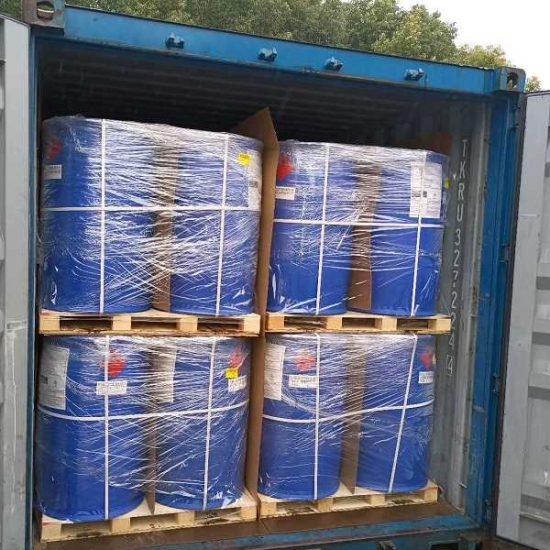
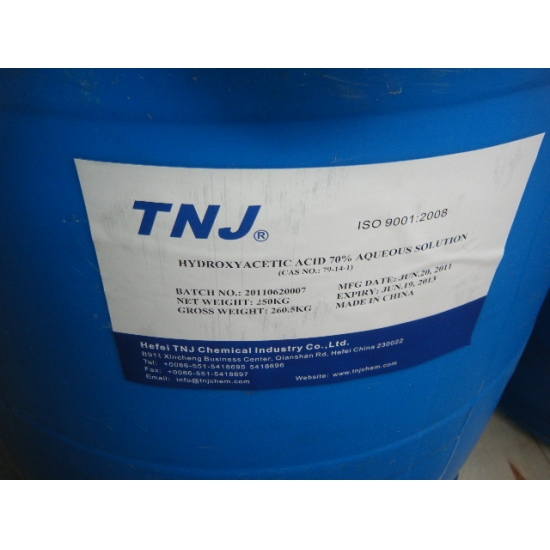
1) 70% Aqueous Solution: 250kg per plastic drum; total 20MT per 20ft container with pallets (without pallets)
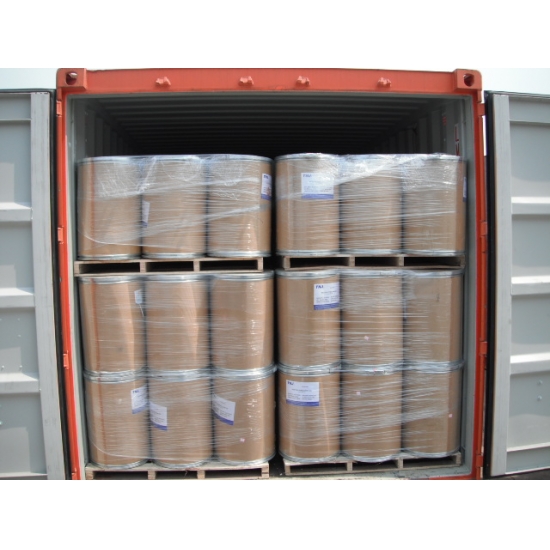
2) 99% Powder: 25kg per fiber drum; total 16MT per 20ft container with pallets
25kg per carton; total 20MT per 20ft container with pallets
 chemical.tnj
 +8618949823763
 tnjchem
 2881500864