


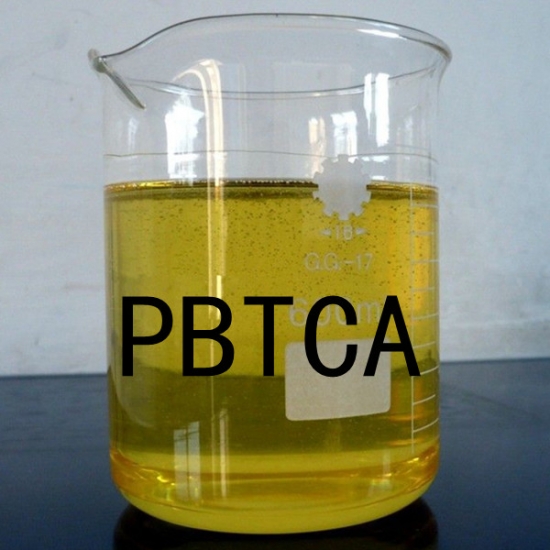
Basic Identification of PBTCA 50%
CAS Number: 37971-36-1
Chinese name: 2-phosphonobutane-1,2,4-tricarboxylic acid; 2-Phosphonobutane-1,2,4-tricarboxylic acid
Abbreviation: PBTCA (PBTC)
EINECS:253-733-5
Molecular formula: C₇H₁₁O₉P
Molecular weight: 270.13
Physical Properties (Industrial mainstream is 50% aqueous solution)
Appearance: Colorless to light yellow transparent liquid
Density (20°C): 1.27–1.30 g/cm³
pH (1% aqueous solution): 1.5 to 2.0, acidic
Freezing point: approximately -15°C
Solubility: Miscible with water in any ratio; soluble in polar solvents such as ethanol
Product Form: Solid is rarely sold in industry, typically available as a 50 wt% aqueous solution
Chemical Properties
The molecule contains both phosphonic acid groups and multiple carboxylic acid groups, classifying it as an organophosphorus corrosion and scale inhibitor of the phosphocarboxylic acid type
Chlorine and oxidation resistance: Compared to HEDP and ATMP, it can coexist with chlorine-based disinfectants (sodium hypochlorite, chlorine gas) without easy decomposition;
High-temperature resistance: stable scale inhibition performance under ≤120°C conditions;
Strong chelation effect: Complexes Ca²⁺, Mg²⁺, Zn²⁺, and heavy metal ions; stabilizes zinc salts and serves as the core additive in zinc-based corrosion inhibitor formulations;
Suitable for high alkalinity and high hardness water quality, it inhibits calcium carbonate and calcium phosphate scale formation;
Low-phosphorus organic phosphorus compounds contain even less phosphorus than traditional inorganic phosphates.
Primary Uses (Core Products of Water Treatment Chemicals)
Industrial circulating cooling water systems (primary application)
Prevents calcium carbonate and calcium phosphate scale, with zinc salt and copolymer as corrosion and scale inhibitors; suitable for high concentration ratio operation.
Oilfield water injection system: Prevent pipeline scaling and corrosion.
Reverse Osmosis Membrane System: Common Monomers in Formulated RO Scale Inhibitors.
Cleaning Industry: Metal cleaning agents, chelating agents;
Boiler water and geothermal system water quality stabilization treatment.
Usage Reference
Add 5–15 mg/L alone; often used in combination with zinc salts and acrylic copolymers.
Safety and Hazardousness
GHS classification: Skin corrosion, eye corrosion, metal corrosion;
Hazardous Properties: Acidic liquid, avoid direct contact with skin and eyes;
Emergency Treatment: Rinse with plenty of running water for more than 15 minutes after contact;
Transport category: Class 8 corrosive liquid;
Storage: Packaged in plastic drums, store in a cool, ventilated place, and avoid mixing with strong alkalis (KOH, NaOH).
Specification
Appearance Clear, colorless to pale yellow aqueous solution
Active acid % 50.0-51.0
Phosphorous acid(as PO33-)% 0.5 max
Phosphoric acid(as PO43-)% 0.2 max
Density (20℃) g/cm3 1.27 min
pH(1% water solution) 1.5~2.0
Fe ppm 10.0 max
Chloride ppm 10.0 max
Turbidity (NTU) 10.0 max
Color APHA 30.0 max
Packing
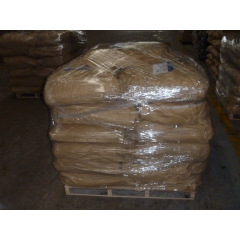
250kg/drum; 20mt/20''container
1250kg/IBC drum,18drums/20”containerStorage
Stored in cool and airy place; away from fire and heat; handle with care; no breakage, avoid leakage.It is valid for 1 years under proper condition.
PBTCA is classified as Dangerous Good for transport.
Please refer to MSDS for more information about Safety,Storage and Transportation.

 chemical.tnj
 +8618949823763
 tnjchem
 2881500864