


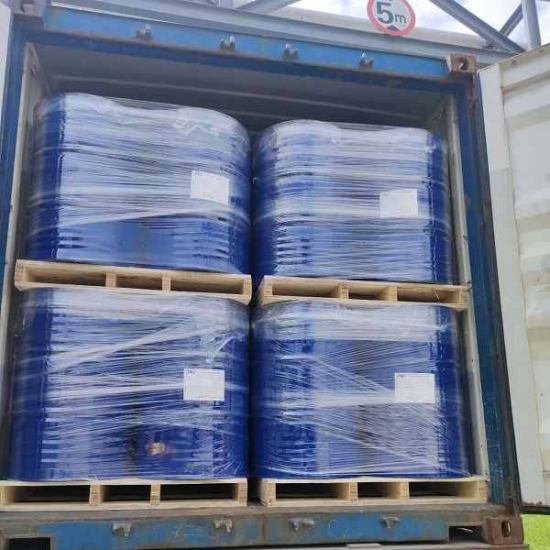
Basic Identification of Acrylates Copolymer CAS 25035-69-2
Chinese Full Name: Butyl Acrylate - Methyl Methacrylate - Methacrylic Acid Copolymer
Common Name: Acrylic (Ester) Copolymer
INCI Name: Acrylates Copolymer
CAS Number: 25035-69-2
English Full Name: Butyl acrylate-methyl methacrylate-methacrylic acid copolymer
Monomer Composition: n-Butyl Acrylate, Methyl Methacrylate, Methacrylic Acid Ternary Copolymer
Repeating Unit Molecular Formula:(C7H12O2.C6H10O2.C4H6O2)x
Physicochemical Properties
- Common Commercial Form: Milky white aqueous emulsion (mainly 30%-40% solid content); solid resin as white granules/powder
- Film-Forming Properties: Can self-crosslink to form a film at room temperature; the film is soft, elastic, and has good adhesion
- Anionic polymer, not resistant to high concentrations of electrolytes; will easily coagulate in the presence of salt
- Solubility: Emulsion can be diluted with water; dried film soluble in acetone, esters, aromatics; insoluble in water and aliphatic hydrocarbons
- pH (Emulsion): Generally 2.0–4.0; glass transition temperature can be adjusted according to the formula
- No fixed single boiling point or melting point (polymer mixture)Core Functions and Applications
Cosmetics (widely used)
Listed in cosmetic ingredient directories; core functions: film former, styling agent, antistatic agent, thickening/suspending agent- Hair gel, hair elastics, styling spray: hair setting, moisture resistant without stiffness;
- Sunscreen, makeup, mascara, nail polish: water-resistant film formation, improves adhesion;
- Hair care products: stabilizer for pearlescent systems.
Textile and Dyeing Industry
Low-temperature coating printing adhesive (commercial name Acrylic Resin SS-22), fabric printing, soft hand feel.
Leather Finishing
Leather base coat finishing resin; adjusts coating hardness, improves coverage and flex resistance.
Coatings, Water-Based Adhesives
Water-based acrylic emulsion, paper coating, nonwoven fabric adhesive.Safety Information
Generally low-risk polymer, not classified as hazardous chemical, not regulated for hazardous chemical transport
Finished emulsion has low irritation; avoid inhaling large amounts of dry polymer dust;
GHS has no mandatory hazard label;
Avoid: strong electrolytes (calcium chloride, magnesium sulfate, etc.) and strong alkali, which can cause emulsion breaking;Does not contain formaldehyde or APEO (compliant products).
Storage Conditions
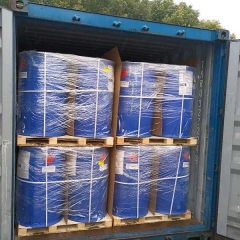
Normally 200kg/plastic drum, or as per request.
Store in cool, ventilated area at 5–30°C; protect from freezing and direct sunlight; emulsion cannot be restored once frozen;
Store sealed in plastic drums; keep away from strong acids and alkalis;Typical shelf life 6 months; stir periodically to prevent layering.
 chemical.tnj
 +8618949823763
 tnjchem
 2881500864