

Product name: p‑Toluenesulfonic Acid Anhydrous
Synonyms: PTSA Anhydrous, 4-Methylbenzenesulfonic acid anhydrous
CAS No: 104-15-4
EC‑No: 203‑180‑0
Molecular Formula: C7H8O3SMolecular Weight: 172.20 g/mol
UN‑No: UN 2585
Hazard Class: 8 (Corrosive solid), Packing Group III
HS‑Code: 29041000
Important Distinction: This is anhydrous grade (no crystal water). Differentiate from p‑Toluenesulfonic Acid Monohydrate CAS 6192‑52‑5 (C7H8O3S·H2O). All assay values below are calculated on anhydrous base. Anhydrous PTSA is extremely hygroscopic, easily absorbs moisture from air to form monohydrate.
1. General Physical‑Chemical Properties (All anhydrous grades)
Density 1.34 g/cm³ @20 ℃
Boiling Point 140 ℃ @20 mmHg (decomposition)
Flash Point (closed cup) 180 ℃Solubility in water Freely soluble (~670 g/L @20 ℃)
Solubility in organics Soluble in ethanol, ether; slightly soluble in benzene, toluene
pH (1 % aqueous solution) ~1.0, strongly acidic
Stability Extremely hygroscopic. Rapidly absorbs atmospheric moisture to form monohydrate. Avoid moisture, strong bases, oxidizing agents and active metals.
2. Multi‑Grade Specifications Table
| Test Item | Technical‑A Anhydrous | Fine‑Industrial Anhydrous | Pharma‑Fine Anhydrous | ACS / Reagent Anhydrous | Test Condition |
|---|---|---|---|---|---|
| Appearance | White deliquescent crystalline flakes / powder | White deliquescent crystalline flakes / powder | White deliquescent crystalline flakes / powder | White crystalline powder | Visual @25 ℃ |
| Assay (Anhydrous base) | 95.0‑97.0 % | ≥97.5 % | ≥98.5 % | ≥99.0 % | Acid‑base titration |
| Free Sulfuric Acid (max) | 2.0 % | 1.0 % | 0.5 % | 0.2 % | Titration |
| Water Content (KF, max) | 2.5 % | 1.5 % | 0.8 % | 0.3 % | Karl‑Fischer |
| Residue on Ignition / Ash (max) | 0.20 % | 0.15 % | 0.10 % | 0.05 % | Gravimetric |
| Iron (Fe, max, ppm) | 50 ppm | 30 ppm | 20 ppm | 10 ppm | AAS |
| Melting Point | 104‑107 ℃ | 104‑107 ℃ | 105‑107 ℃ | 105‑107 ℃ | Capillary method |
3. Grade Typical Applications
Technical‑A Anhydrous: Non‑aqueous catalytic system, resin curing agent, general organic synthesis; bulk industrial export. Not recommended for processes sensitive to water.
Fine‑Industrial Anhydrous: Esterification, acetalization / ketalization where low water is required; paint & coating curing accelerator.
Pharma‑Fine Anhydrous: Pharmaceutical & agro‑chemical intermediate synthesis, non‑aqueous reaction system, strict control of water and inorganic impurities.
ACS / Reagent Anhydrous: Laboratory synthesis & analytical use; not for large‑volume industrial bulk shipment.Critical commercial note for trade documents:
Clearly mark Anhydrous, CAS 104‑15‑4 on contract, invoice and COA.
Explicitly state assay calculated on anhydrous basis, to avoid confusion with monohydrate (CAS 6192‑52‑5).
Product must be sealed tightly; any leak will cause water uptake and shift assay results.4. Storage & Shelf‑Life
Storage: Hermetically sealed container, cool, dry, well‑ventilated warehouse. Storage temperature: 15‑25 ℃. Strictly prevent moisture ingress. Isolate from alkalis, oxidants and active metals.
Shelf‑life: 12 months under un‑opened original sealed package. (Shorter shelf‑life than monohydrate due to high hygroscopicity).
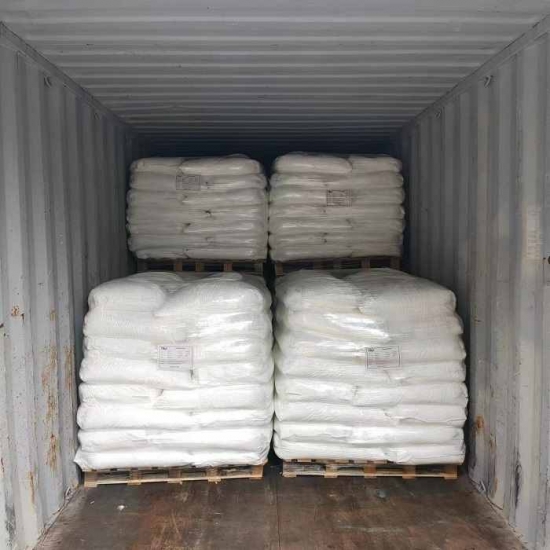
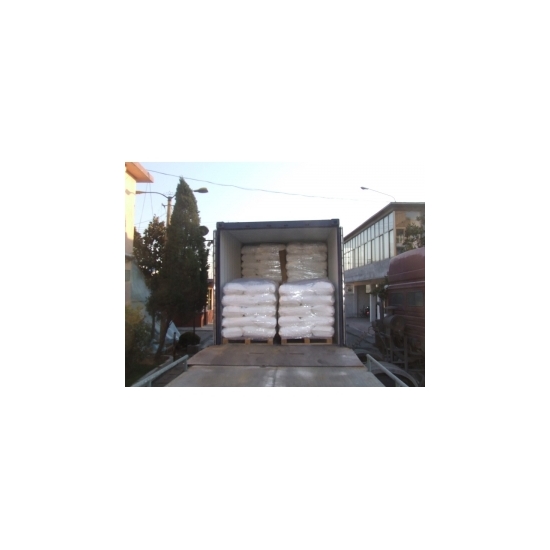
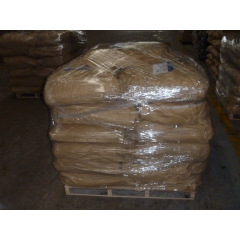
Standard export packing: 25 kg PE‑lined woven bag; 25 kg plastic drum.
5. Handling & Safety Notes
Corrosive solid; causes severe burns to skin, eyes and respiratory tract.
Avoid dust inhalation. Wear chemical goggles, acid‑resistant gloves and full protective clothing.
In case skin / eye contact, rinse with plenty running water for ≥15 min, seek medical attention.
Always keep drum tightly closed after partial discharge to prevent moisture absorption.
For complete GHS hazard statements, transport classification and waste disposal please refer to full SDS.
Disclaimer: All above data are typical laboratory reference values only, not binding contractual specifications. End‑users must verify suitability for own process conditions.

 chemical.tnj
 +8618949823763
 tnjchem
 2881500864