


Vegetable oleic acid (CAS 112-80-1) is generally classified by fatty acid composition (C18:1 content), raw material origin and solidification point. Domestic manufacturers commonly use Y-series grades marked by maximum solidification point (Y-4 <4℃, Y-8 <8℃, Y-16 <16℃).
China Classification (China Market, based on QB/T 2153-2022)
The China standard classifies industrial oleic acid mainly by the content of C18 unsaturated fatty acids, and further grades by physicochemical indicators such as acid value, unsaponifiable matter, moisture and APHA color.
1. High-purity Oleic Acid: C18:1 (oleic acid monomer) ≥75.0%. It has stricter controls on solidification point and color, widely used in fine chemicals and cosmetic raw materials.
2. Regular Industrial Oleic Acid: Total C18 unsaturated fatty acids (C18:1 + C18:2 + C18:3) ≥85.0%. No mandatory requirement for independent C18:1 content, commonly applied in rubber processing, metal cutting fluid, soap-making and general emulsifiers.
Besides the official standard, many domestic oil & fat manufacturers adopt an in-house Y-series grading system by maximum solidification point:
- Y-4: Solidification point <4 ℃ (excellent low-temperature fluidity, less likely to crystallize in winter)
- Y-8: Solidification point <8 ℃ (mainstream general grade)
- Y-16: Solidification point <16 ℃ (liquid at ambient temperature, prone to solidify under low temperature)
International Classification
Overseas buyers primarily focus on raw material source and C18:1 purity, which are the key items stated in contracts and Certificates of Analysis (COA).
1. By Raw Material Source- Palm-based Vegetable Oleic Acid: The most globally common type
- Soybean-based Vegetable Oleic Acid: Higher linoleic acid (C18:2) content, higher iodine value and more susceptible to oxidation & yellowing
- Rapeseed / High-oleic Sunflower Oleic Acid: High C18:1 content with better oxidation stability, for premium cosmetic applications
- Regular Technical Grade: C18:1 70~78% (common palm oleic acid for industrial use)
- Distilled Oleic Acid: C18:1 80~88% (distilled, low color and mild odor for fine chemical esterification)
- High Purity Oleic Acid: C18:1 ≥90%
- Ultra-pure Oleic Acid: C18:1 ≥99% (for pharmaceutical excipients and laboratory reagents)
- Industrial Grade: For rubber, coatings, surfactants and metal working fluids
- Cosmetic Grade / Deodorized Oleic Acid: Low color, faint odor and controlled heavy metal content
- Food Grade: Compliant with relevant food additive specifications
- Pharma Grade: Meets USP / EP monographs
Core Routine Test Indicators (Required for All Grades)
Acid value, saponification value, iodine value, moisture, APHA color, unsaponifiable matter- Iodine value: Reflects the degree of unsaturation; higher value means more C18:2 and higher risk of oxidative discoloration
- APHA color: Lower figure indicates lighter color
Brief Summary
Vegetable oleic acid has two mainstream classification frameworks. Chinese supplies follow QB/T 2153-2022 based on C18 unsaturated content, while many factories use custom Y-series marked by solidification point. For export business, classification is mainly defined by raw origin and C18:1 purity, which are the core parameters for COA and sales contracts.
Packing
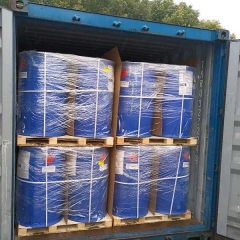
Standard: 180kg steel drum
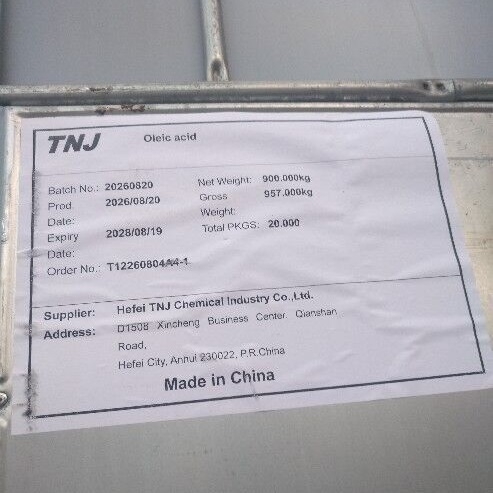
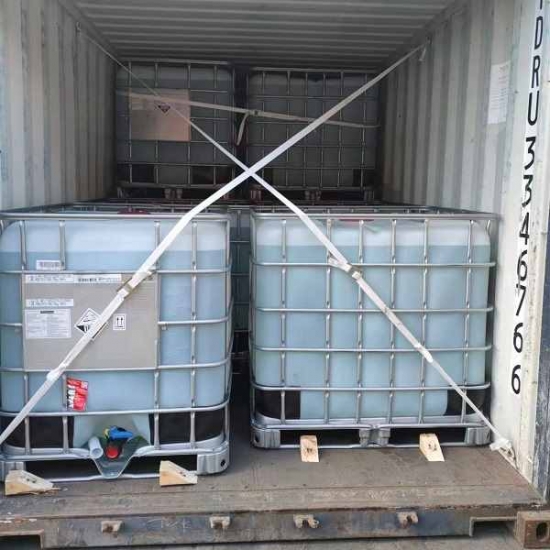
Optional: 900kg IBC tank
Storage & Transportation
Storage: Hermetically sealed, store in cool, dry and well-ventilated warehouse. Keep away from direct sunlight and high temperature to avoid oxidation.
Shelf Life: 12 months under proper storage conditions
Transport: Non-hazardous goods. Separate from strong oxidants, prevent leakage.
 chemical.tnj
 +8618949823763
 tnjchem
 2881500864